June 11th
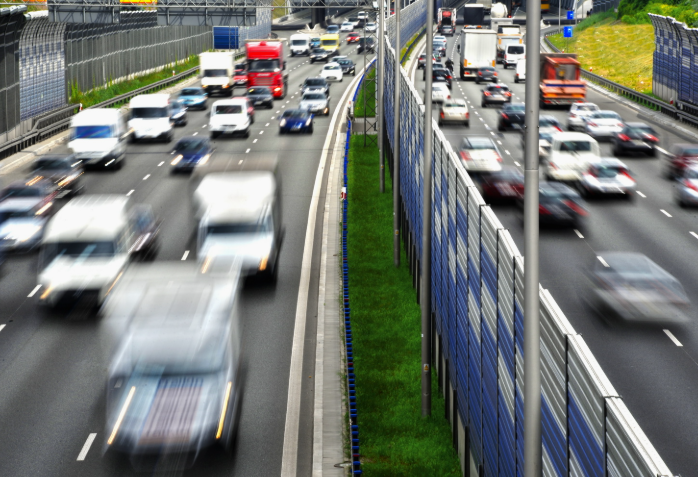
In line with the European Eurovignette directive amended in 2022 – and following the example of nations like Austria – the Netherlands is also preparing to radically overhaul its taxation system for heavy goods transport. Starting July 1st, 2026, the old method will give way to a payment system linked to the actual kilometers driven.
The measure does not spare foreign operators and applies to:
Vehicle categories: All heavy goods vehicles belonging to classes N2 and N3.
Weight threshold: Vehicles with a gross vehicle weight exceeding 3.5 tonnes.
Routes involved: Virtually the entire Dutch motorway network, in addition to several provincial roads and local hubs with high commercial traffic density.
To comply with the law, transport operators must install a specific on-board unit (OBU). Compliance during transit will be monitored through a dual system:
Fixed network: 61 electronic road gantries will read license plates and verify the device's activity.
Mobile network: Traffic police control units will carry out random spot-checks directly on the road.
Warning regarding fines: The financial risks for non-compliance are high. Failing to secure a contract with a service provider carries fines of up to €800. Meanwhile, penalties can reach up to €500 if the OBU is turned off, faulty, or linked to a different license plate.
The rate varies based on the truck's weight and emission levels: the lighter and cleaner the vehicle, the less you pay. Electric trucks receive a massive discount compared to diesel ones (Euro VI).
Here is a very simple estimate of the costs per kilometer:
Medium truck (16 tonnes):
Diesel: approx. 15.6 cents
Electric: approx. 3.4 cents
Large truck (over 32 tonnes):
Diesel: approx. 19.5 cents
Electric: approx. 3.8 cents
Learn about the world of shipping with the latest news from the Scortrans blog
ESPLORA TUTTE LE NEWS